



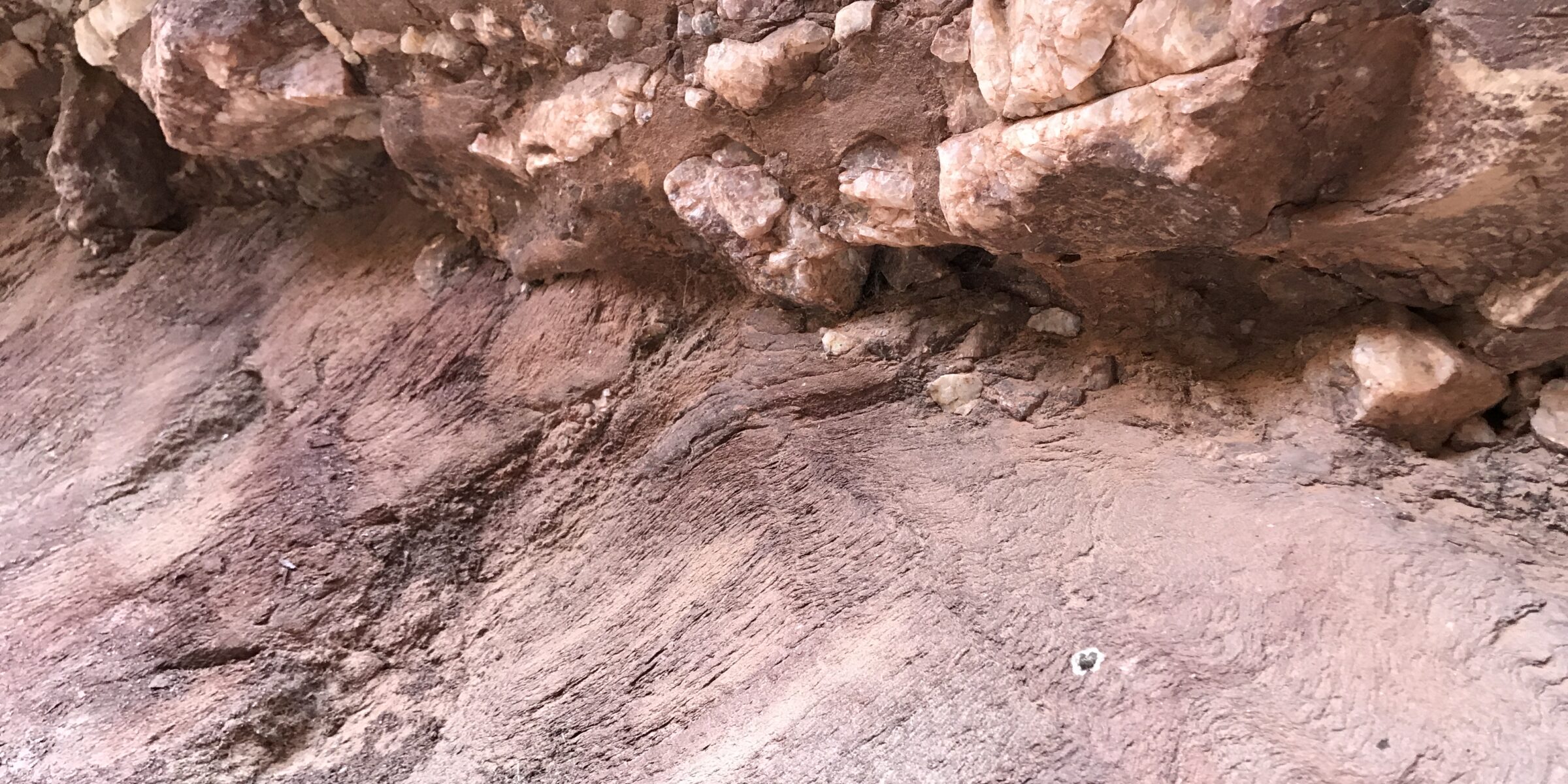
Same Rocks, Same Fossils, Different History
Part 4 of our series examining where biblical creation and conventional geology agree on the evidence, where the interpretation begins to differ, and why.
One of the most useful questions I hear on a tour is also one of the simplest: How can two geologists look at the same canyon and come away with such different histories?
Usually that question comes after we have spent some time looking closely at a formation, a fossil bed, a fold, or an erosional surface. By that point no one is arguing about whether the rock is there. The disagreement begins when we try to reconstruct a past that none of us watched happen.
That is where this series has been heading. We have looked at the layers, the geological names, and the order of the fossils. Each one gives us real information about the rock record. None of them, by itself, supplies the entire history.
The harder question is not, “What do we see?” It is, “What history best explains what we see?”
How Do You Test a History You Cannot Watch?
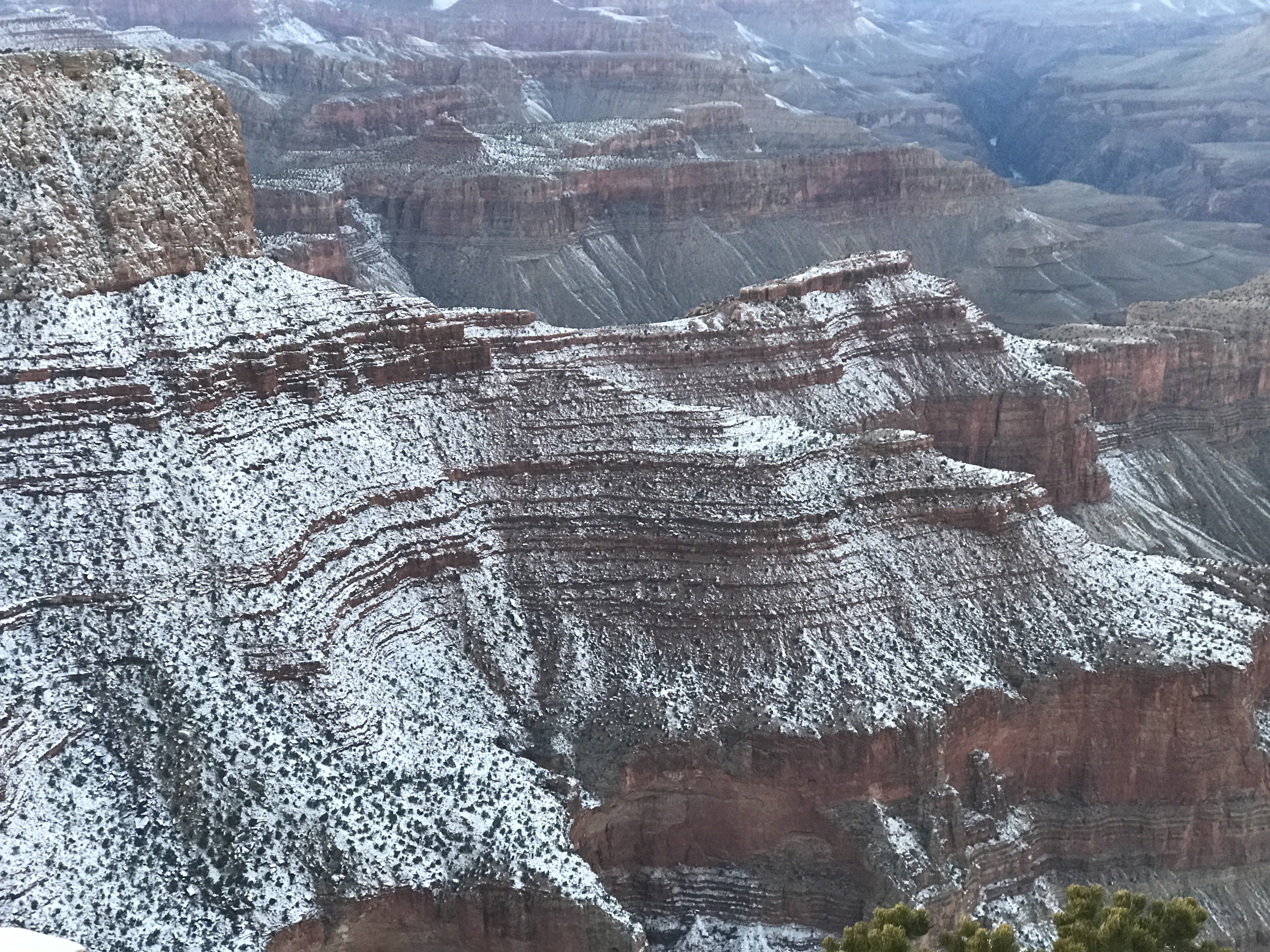
Geology deals with processes we can observe today, but it also asks historical questions. We can watch sediment move in a river. We can measure an earthquake. We can study a volcanic eruption, a landslide, a debris flow, or a flood while it is happening. But when we ask how a particular sequence of rocks formed in the past, we are reconstructing events from evidence left behind.
That reconstruction has to be disciplined by the rocks themselves. A proposed history should explain why one formation lies above another, why a contact is sharp or eroded, why certain fossils occur in one interval and not another, why cross-beds lean in a particular direction, why sediment came from a distant source, and why some rocks were folded, faulted, or uplifted after deposition.
In other words, the history is not free to say anything it wants. The physical record places limits on the story we can tell.
A Model Has to Earn Its Keep
This is where geological models become useful. A model is more than a label. It is an attempt to bring many observations together into one coherent explanation.
For a biblical Flood model, that means more than pointing to a thick layer of sediment and saying, “The Flood did it.” We need to ask what stage of the Flood is being proposed, what direction water was moving, where the sediment came from, what was happening tectonically, how organisms were buried, whether the deposit was laid down rapidly or in repeated pulses, and how the layer relates to the formations above and below it.
The same standard applies whenever we evaluate a deep-time interpretation. Assigning a conventional age to a formation does not remove the need to explain the physical processes that produced it. A number on a chart is not a mechanism.
This is one reason I find the Grand Canyon so useful. It refuses to let us stay vague for very long. The rocks are exposed too well. You can walk up to the contact. You can put your hand on the fold. You can trace the layer across the canyon. You can collect measurements and compare one exposure with another.
A good model should become more convincing as the details accumulate, not less.
The Canyon Pushes Back Against Simple Answers
The Grand Canyon contains features that immediately challenge overly simple stories from either direction.
Take the Great Unconformity. At some places, horizontal Flood-deposited strata rest directly on crystalline basement. Elsewhere they lie above tilted rocks of the Grand Canyon Supergroup. Whatever history we propose has to account for the formation of those older rocks, their deformation, the erosion that cut across them, and the later deposition of the horizontal sequence above.
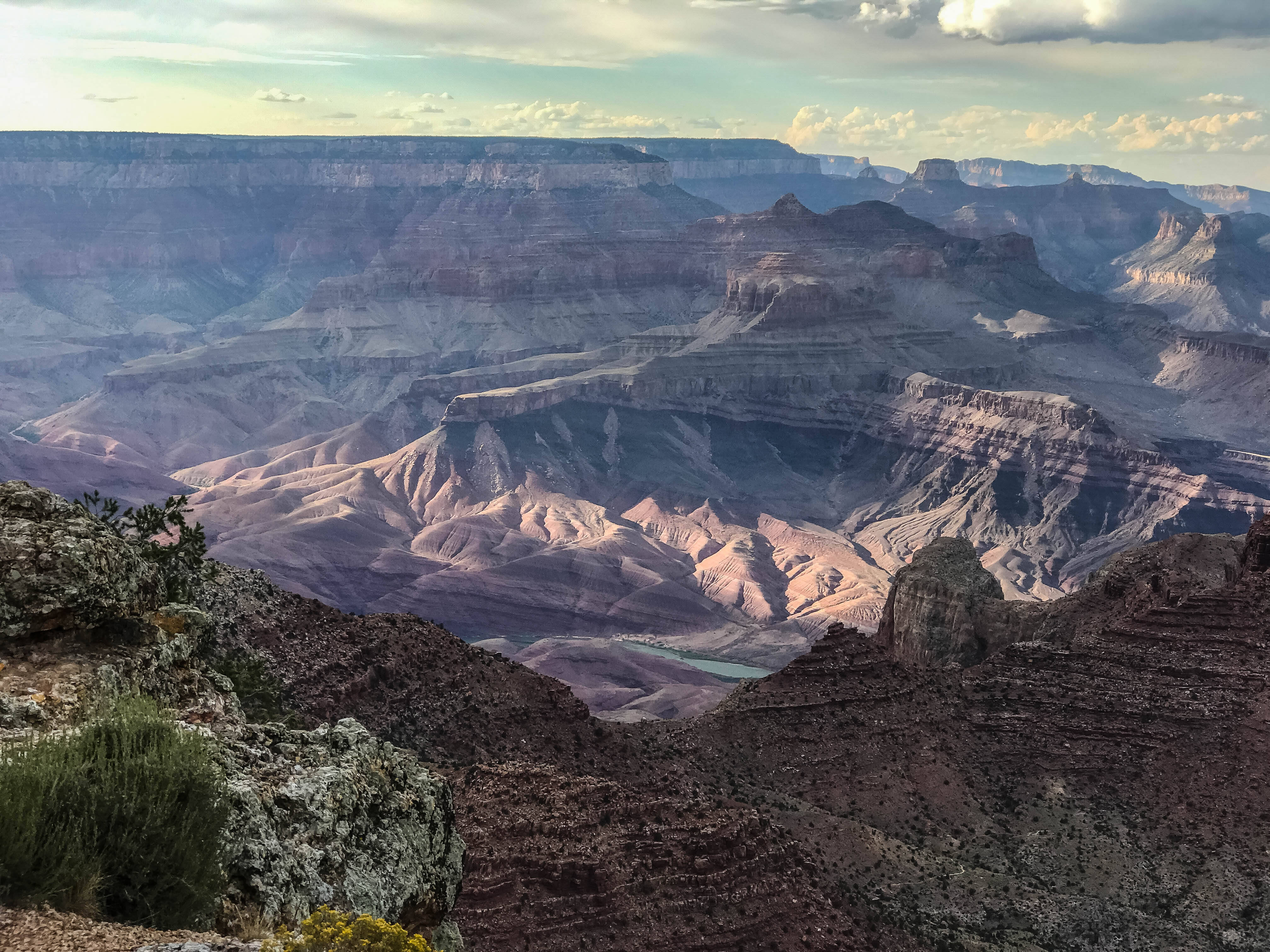
That complexity fits comfortably within biblical creation. The crystalline basement belongs to the earliest history of the earth. The Grand Canyon Supergroup records pre-Flood sedimentation, volcanism, and tectonic activity. The broad erosional surface above them marks a major transition, followed by the deposition of the great horizontal sedimentary sequence during the Flood.
That is already more nuanced than saying everything in the canyon formed at the same time. It also gives us something specific to test. Does the physical relationship between these rock packages fit that sequence of events? Are the contacts, structures, and regional relationships consistent with it?
Those are geological questions, and they deserve geological answers.
Scale Changes the Question
Another feature that continually shapes the discussion is scale. Many of the formations we see at the Grand Canyon extend far beyond the canyon itself. Some can be traced or correlated across enormous portions of the continent. Sediment within certain units also points to source regions hundreds or even thousands of miles away.
That scale forces us to think beyond the kinds of processes we usually watch in a local stream or desert wash. Whatever formed these deposits moved tremendous volumes of sediment across tremendous distances.
Within a Flood framework, that is exactly the kind of question we should be asking. A global catastrophe involving widespread tectonic activity, enormous water movement, rapidly changing basins, erosion, transport, and redeposition should leave behind a record that is continental in scale.
The point is not that size alone proves the Flood. It does not. The point is that the scale of the evidence has to be matched by the scale of the explanation.
What Would Make Us Revise a Model?
A scientific model should be able to survive hard questions. If an explanation repeatedly fails to account for the physical evidence, the mechanism needs to be revised.
That does not mean Scripture is revised every time a geological proposal changes. Scripture gives us the historical boundaries of creation, the Fall, the global Flood, and the world that followed. Our geological models are attempts to understand the physical mechanisms operating within that history.
Those models can improve. They can be corrected. A proposed current direction may turn out to be wrong. A formation once assigned to one stage of the Flood may fit better elsewhere. A favored explanation for a fold, fossil bed, or erosional surface may not survive closer examination.
That kind of revision is not a retreat from biblical authority. It is exactly what careful geological work should look like. A technical discussion of Flood geology as a developing scientific model makes the same basic point. Scripture is not the disposable part of the framework. Our human reconstructions of geological process are.
One Fold Can Ask a Very Large Question
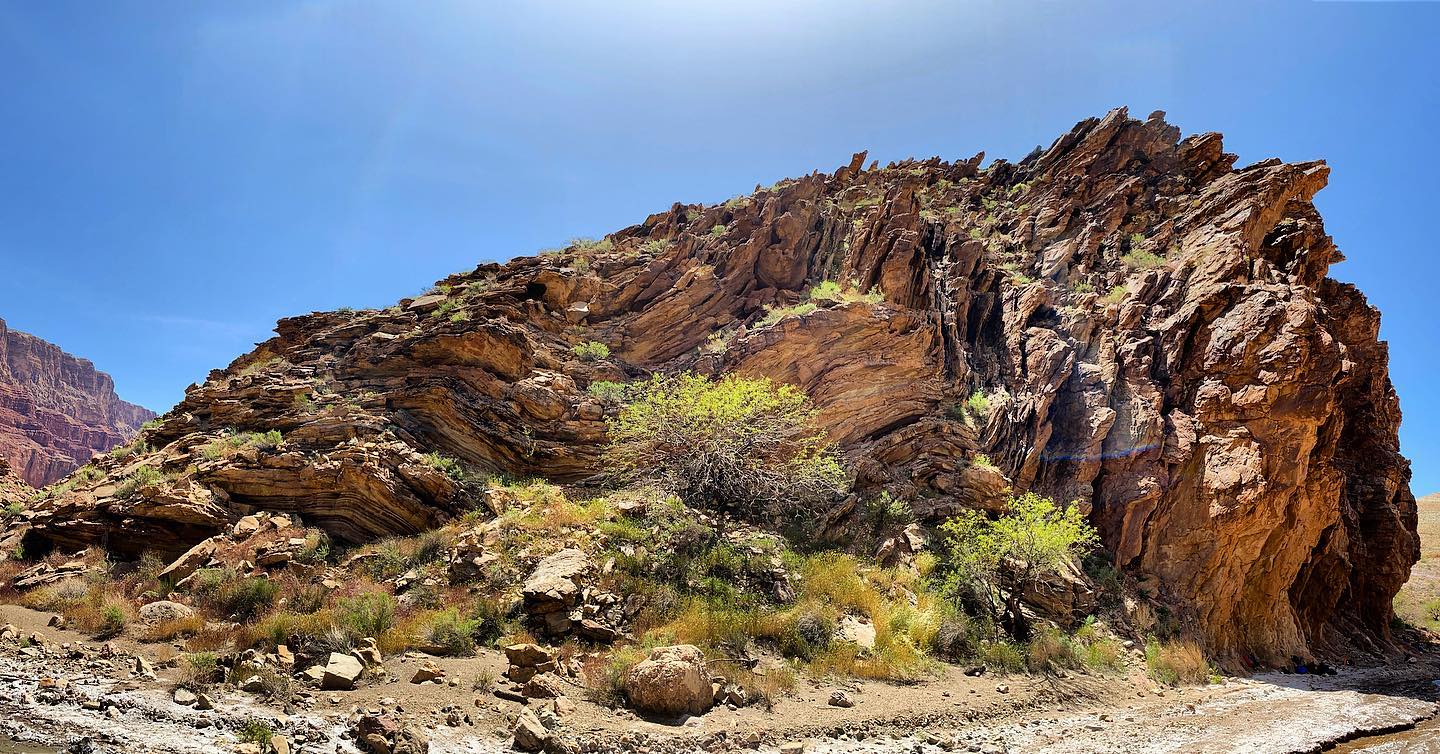
Consider folded sedimentary layers. The simple observation is that rock beds which were once deposited in one orientation are now bent. The geological question is how and when that deformation occurred.
If a layer was fully hardened and cemented before bending, we would expect one kind of deformation. If it was still relatively soft or incompletely cemented, we would expect another. Microscopic structures, fractures, mineral relationships, and the geometry of the fold can all become part of the investigation.
Some Grand Canyon folds have been examined specifically from this perspective, with researchers arguing that the deformation is more consistent with bending before complete cementation. That does not settle every question about the canyon, but it illustrates how a model is tested. We move from a broad historical claim to a specific physical prediction and then look at the rock.
That is much more useful than trading slogans about “science” and “faith.”
Scripture Sets the History. Geology Works Out the Mechanics.
For Canyon Ministries, the authority of Scripture is foundational, but that does not make the rocks secondary or irrelevant. The same God who gave us His Word made the world we are studying. We therefore expect the two to belong to the same history.
Genesis tells us that there was a real creation, a real Fall, and a real global Flood. It does not give us a sedimentological column for the Tapeats Sandstone or a structural analysis of every fold in the canyon. Those details have to be investigated.
That is where geology does its work. We measure. We map. We compare. We test mechanisms against the field evidence. We ask where a proposal succeeds and where it needs refinement.
The result should not be a choice between “the Bible says it” and “the rocks say it.” Properly understood, those are not rival sources of truth. Scripture gives us the historical framework, while the physical world preserves evidence of what happened within that history.
Why the Grand Canyon Remains Such a Powerful Test
The first three articles in this series each isolated one part of the discussion. The layers are real. The geological names are useful. The fossils have an order.
This final article brings those pieces back together, because no one feature carries the whole argument. A serious historical model has to account for all of them at once.
It has to explain the order of the layers without pretending every contact represents the same process. It has to explain fossil succession without assuming the order itself is a clock. It has to explain long-distance sediment transport, broad erosion surfaces, tectonic deformation, and the scale of the deposits. It also has to distinguish the Flood-deposited sequence from the pre-Flood rocks beneath it and from the post-Flood excavation of the canyon itself.
The strength of a model is found in the way many lines of evidence fit together.
Same Evidence, Different History
That is ultimately why two geologists can stand in the same canyon and reconstruct very different pasts. They may measure the same bed thickness, identify the same fossil, map the same formation, and photograph the same fold. The disagreement is not over whether those things exist. It is over the history that connects them.
From a biblical creation perspective, the Grand Canyon is not evidence we have to explain away. It is a place where the scale, sequence, transport, burial, erosion, and deformation of the rock record can be examined within the history Scripture gives us.
There are still questions to answer. There should be. A model capable of explaining a world-changing catastrophe should invite continued fieldwork, sharper questions, and better geological explanations.
And that may be the best reason to keep coming back to the canyon. Not because every answer is already carved into the wall, but because the evidence is there in extraordinary detail, waiting to be studied.