



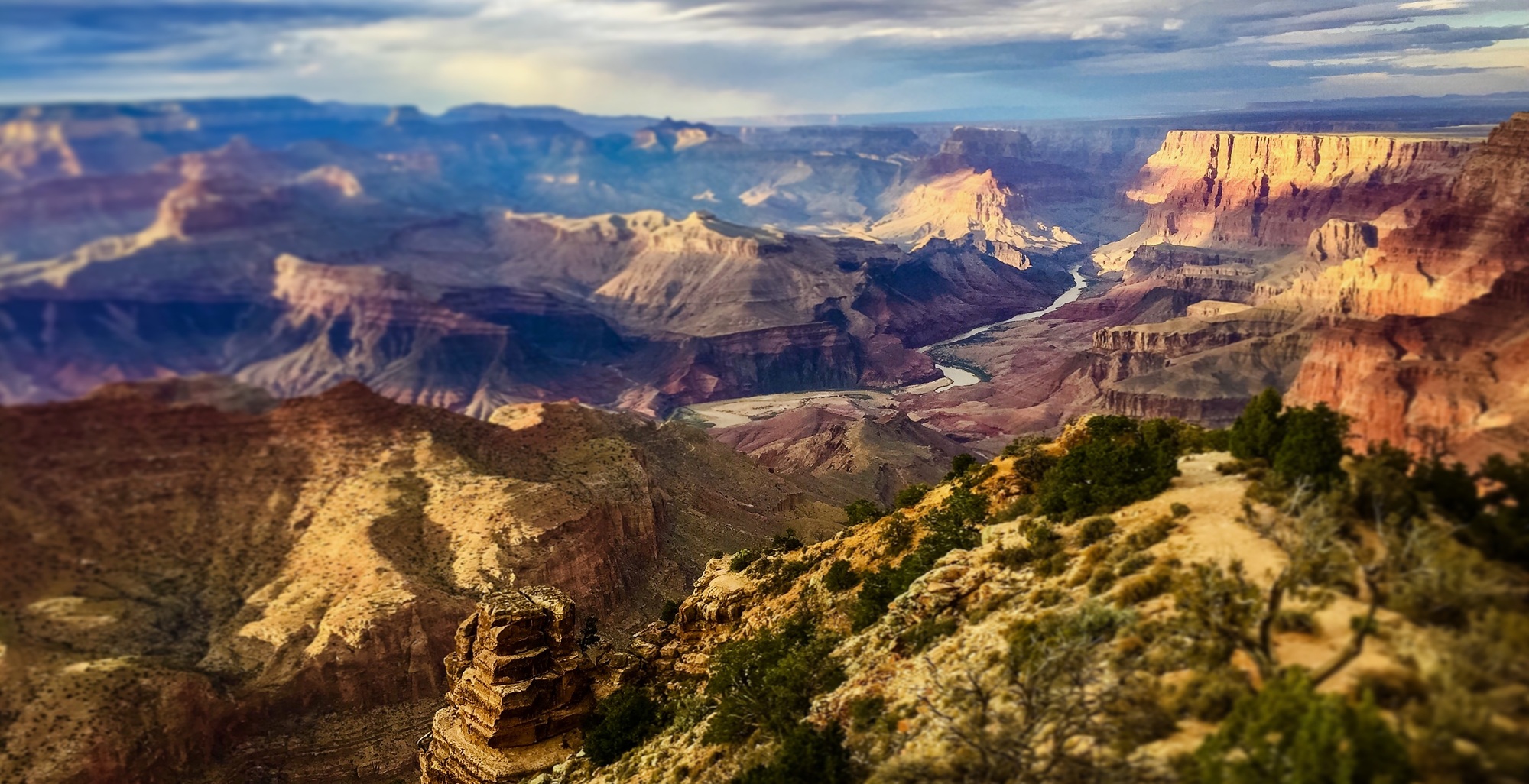
How Was the Grand Canyon Formed? A Catastrophic Lake Spillover Model
Nate Loper - April 29, 2026 If you read most park signs, you'll find the formation of the Grand Canyon is often treated as a simple question of slow erosion and time. A river cut downward over 5.5 to 6 million years and produced the canyon we see today. At first glance that might seem reasonable. But the more closely the landscape is examined, the more that simple explanation begins to fall short. And interestingly, that explanation is losing favor among many geologists today. You see, the canyon is not
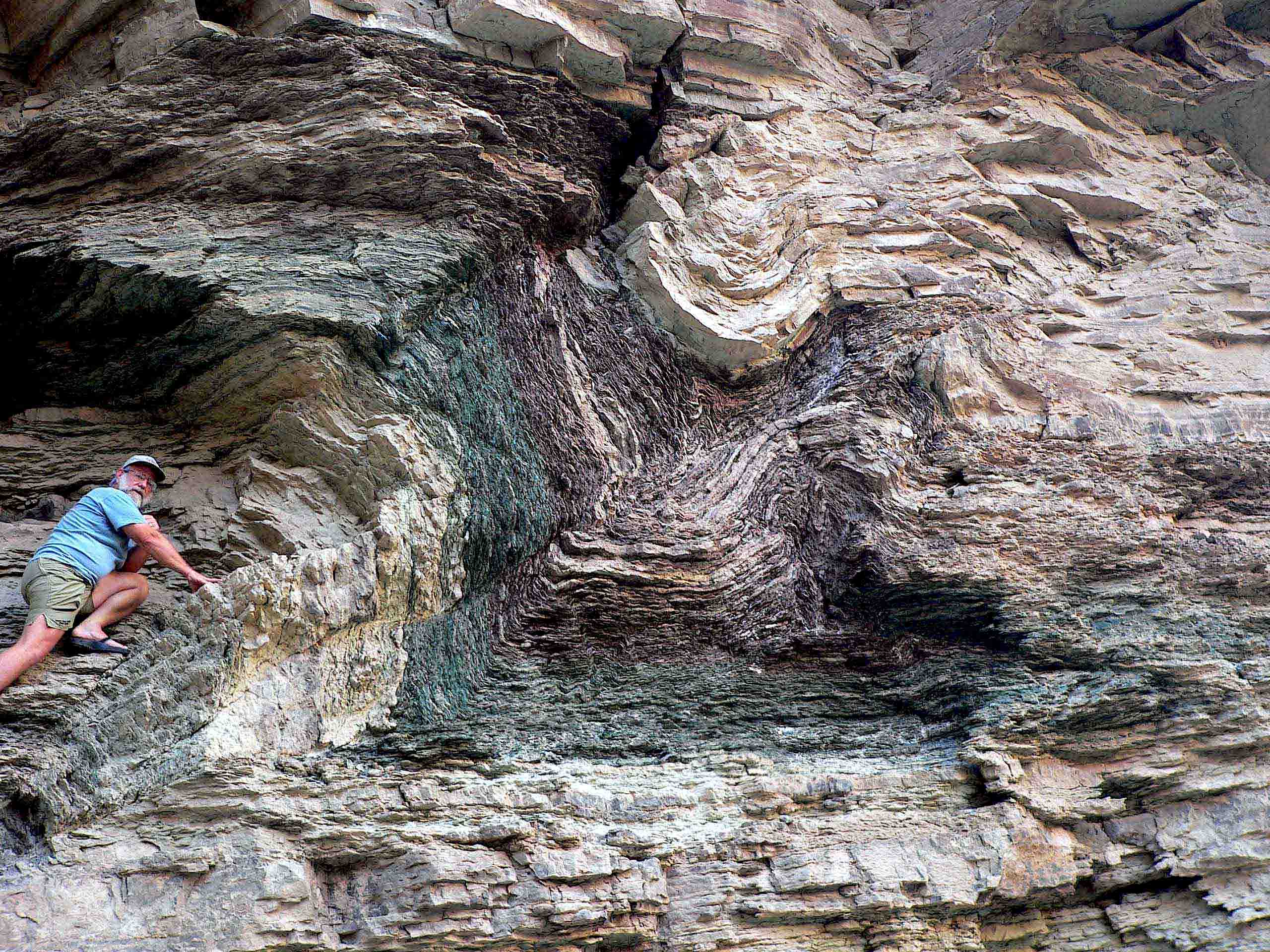
Grand Canyon Fossil Discovery: A Snapshot of Life Before the Flood
A recent article from Phys.org announced the discovery of exquisitely preserved Cambrian fossils in the Grand Canyon’s Bright Angel Formation. These fossils include soft-bodied creatures like worms, crustaceans, and mollusk-like animals, preserved with stunning detail. Secular scientists are interpreting this find as evidence of a thriving ecosystem that existed some 500 million years ago, providing a window into what they call the "Cambrian Explosion"—a period of rapid evolutionary diversification in the distant past. As Christians who hold to the authority of Scripture and a young earth, global Flood model,

Human Fossils from the Flood?
The very absence of human fossils serves as a powerful reminder of God's declared purpose to "blot out man from the face of the earth" while preserving clear evidence of His judgment through the billions of marine fossils entombed in the rock layers. The Missing Humans: Understanding the Fossil Record Through a Biblical Lens When examining the rock layers of the Grand Canyon and other geological formations worldwide, a common question arises: "Why don't we find human fossils in the rock layers laid down by the Flood?" The answer reveals