



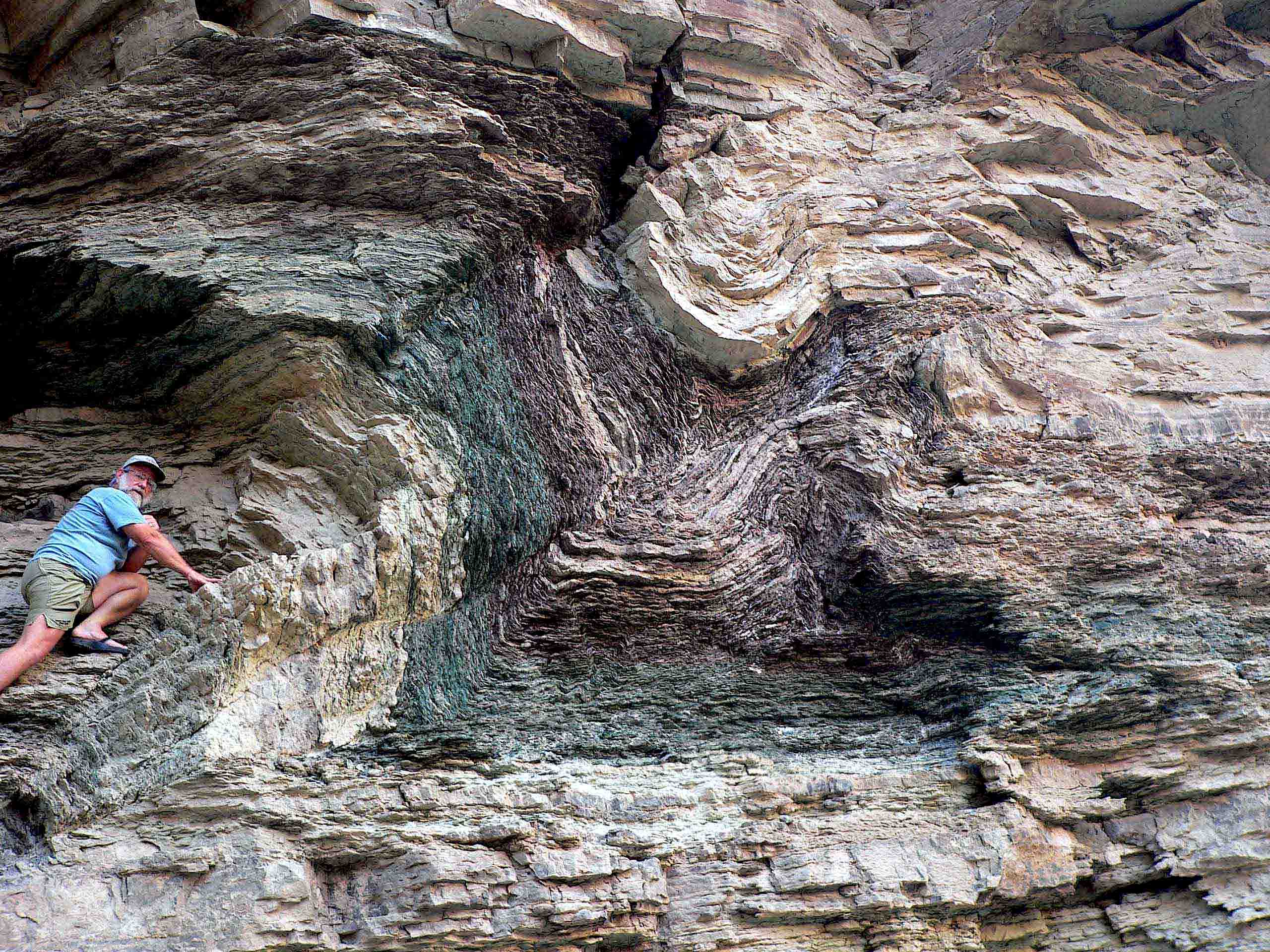
Grand Canyon Fossil Discovery: A Snapshot of Life Before the Flood
A recent article from Phys.org announced the discovery of exquisitely preserved Cambrian fossils in the Grand Canyon’s Bright Angel Formation. These fossils include soft-bodied creatures like worms, crustaceans, and mollusk-like animals, preserved with stunning detail. Secular scientists are interpreting this find as evidence of a thriving ecosystem that existed some 500 million years ago, providing a window into what they call the "Cambrian Explosion"—a period of rapid evolutionary diversification in the distant past. As Christians who hold to the authority of Scripture and a young earth, global Flood model,
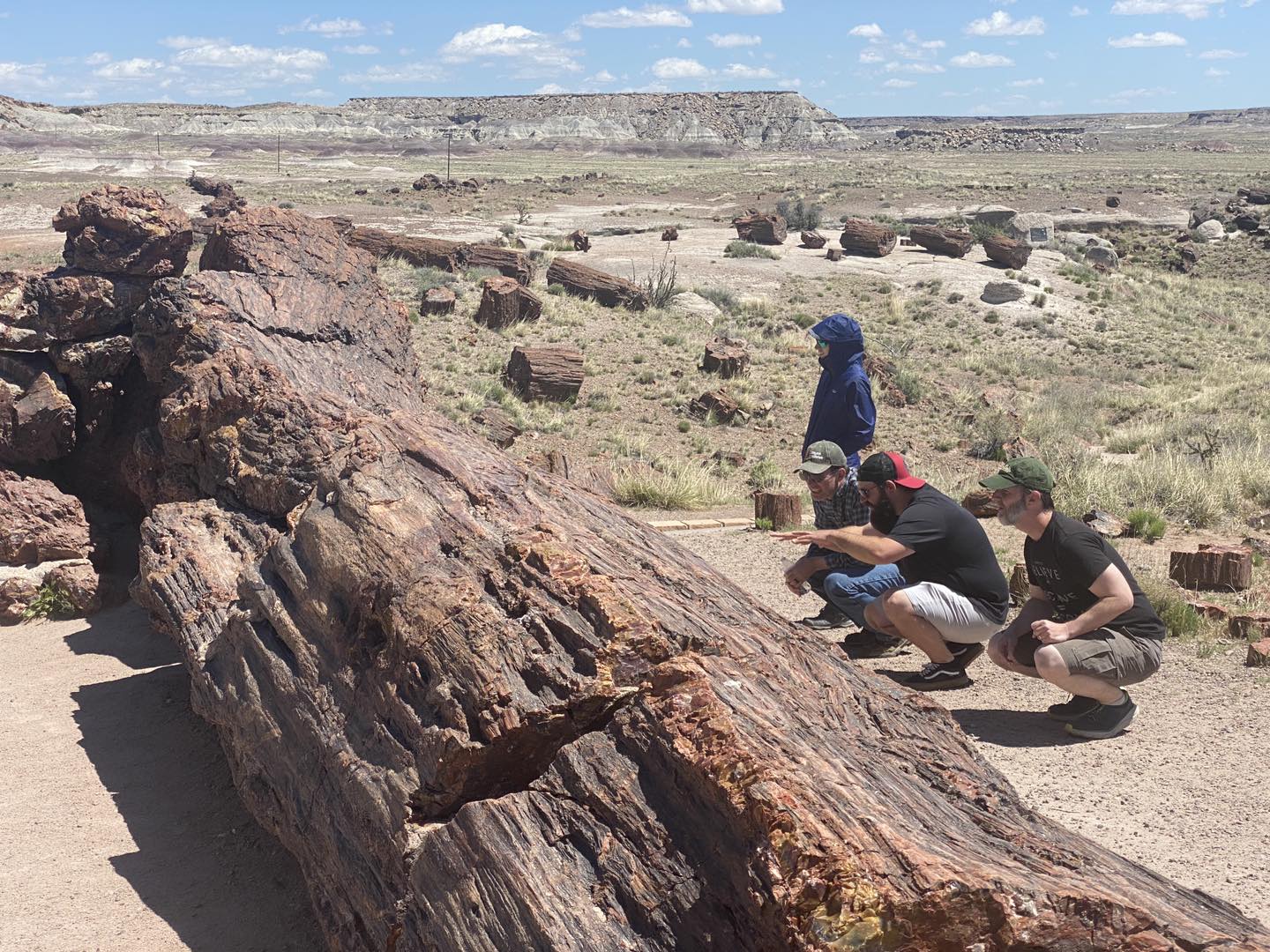
Petrified Forest: Beauty, Mystery, and Catastrophic History
Luke Wayne - March 07, 2025 The splendor and importance of this fossilized arbor is hard to overstate. But how did it get here? Arizona's Ultimate Rock Garden: The Petrified Forest Roughly two hours down I-40 East from Flagstaff, or about fifty miles before you reach the New Mexico border, you’ll find one of Northern Arizona’s true gems—the beautiful mystery of Petrified Forest National Park. In 1906, when the passing of the Antiquities Act first gave U.S. Presidents the power to create National Monuments, Petrified Forest became one of Arizona’s

Human Fossils from the Flood?
The very absence of human fossils serves as a powerful reminder of God's declared purpose to "blot out man from the face of the earth" while preserving clear evidence of His judgment through the billions of marine fossils entombed in the rock layers. The Missing Humans: Understanding the Fossil Record Through a Biblical Lens When examining the rock layers of the Grand Canyon and other geological formations worldwide, a common question arises: "Why don't we find human fossils in the rock layers laid down by the Flood?" The answer reveals

Fossil Evidence of the Global Flood in the Grand Canyon
Whereas catastrophic conditions such as rapid burial and an oxygen-free environment facilitate fossil preservation, today's oceans do not support such phenomena. Within the sedimentary layers of the Grand Canyon lies compelling evidence of a cataclysmic event—a plethora of marine ocean fossils. These fossils, scattered and fractured throughout the canyon's strata, provide tangible clues to the monumental deluge that once reshaped our planet. The discovery of marine fossils and the conditions in which we find them within the Grand Canyon prompts a reconsideration of the prevailing theories regarding its geological history.
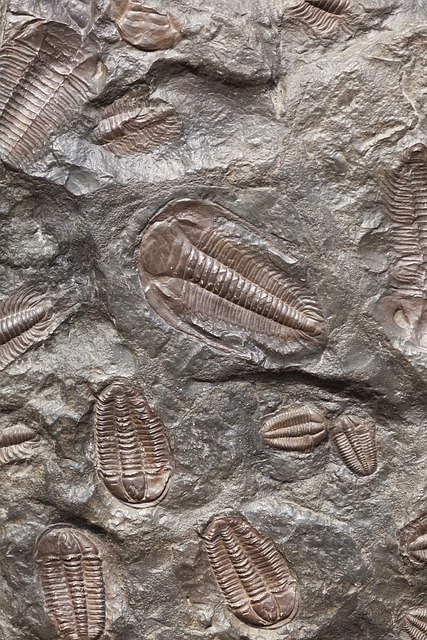
Preserved
Crinoid The foundation rock of our earth (granitic in nature) floats on the mantle beneath it and is covered in layers of sedimentary rocks (sandstones, limestones, shales, etc.). These sedimentary layers range in thickness. For example, the layers exposed in Grand Canyon are over a mile thick while the sedimentary layers of Minnesota have been scraped clean (pushed predominantly to the south and west by the glaciers of the post flood ice age) exposing the foundation rock below. In many wet and humid climates, these layers of sedimentary rocks