




The Layers Are Real: What the Grand Canyon Actually Shows Us
The sedimentary layers of Grand Canyon are real, extensive, and ordered. The question is not whether the layers exist, but what history best explains them.
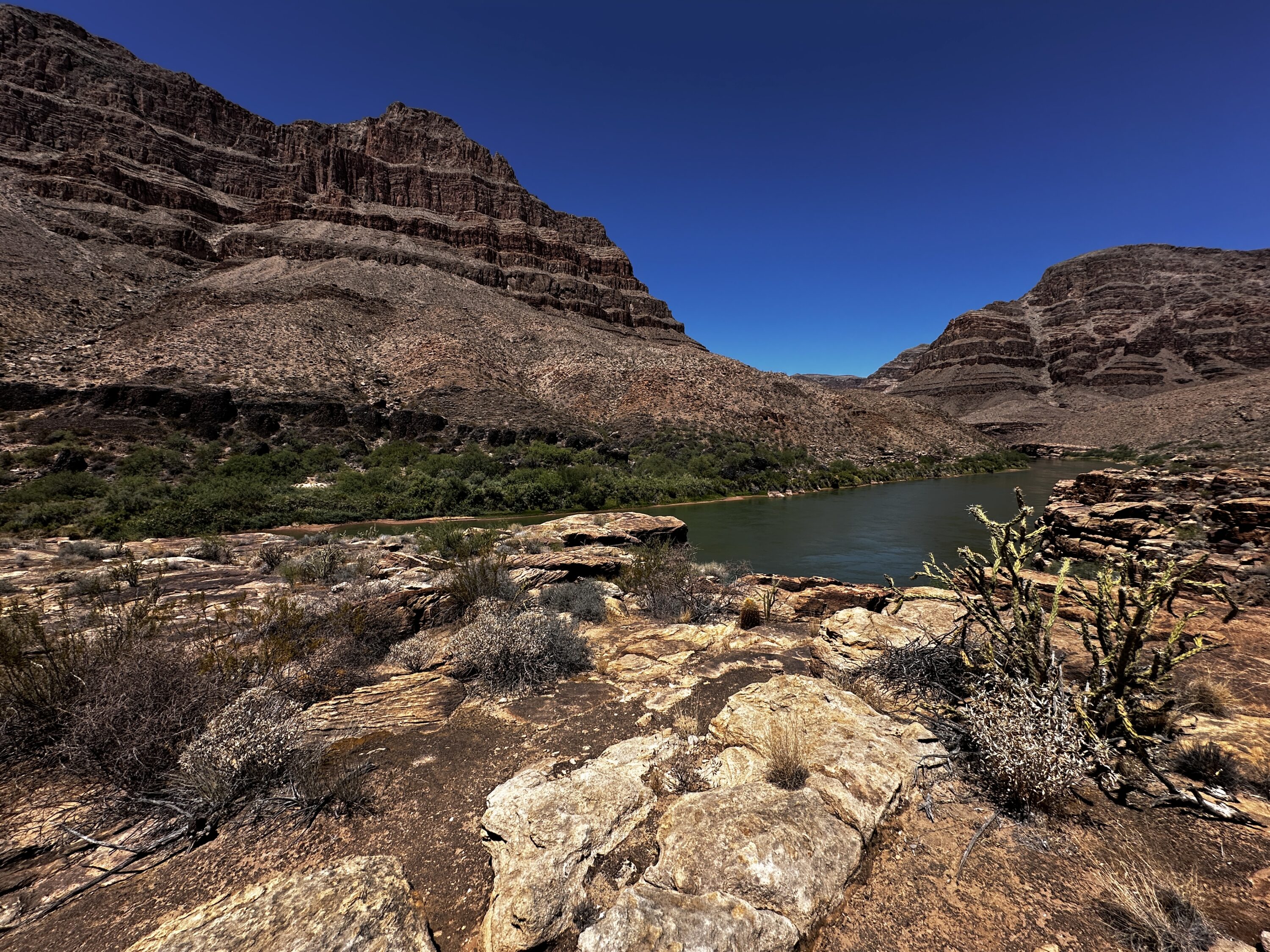
Hidden Life in Grand Canyon
Bill Barrick - September 15, 2026 Cryptobiotic soil forms dry desert areas like the Colorado Plateau, the Sonoran Desert, the Great Basin, and the inner Columbia Basin. Cryptobiotic means “hidden-life.” This top soil layer is composed of cyanobacteria, lichens, mosses, green algae, and microfungi. These living organisms jointly form a hard black crust enabling the soil to resist erosion, absorb rainfall, and provide nutrients and ground stability for neighboring plants. Over 70% of ground in the Southwestern United States is covered by this crust. Its depth can be 1–15
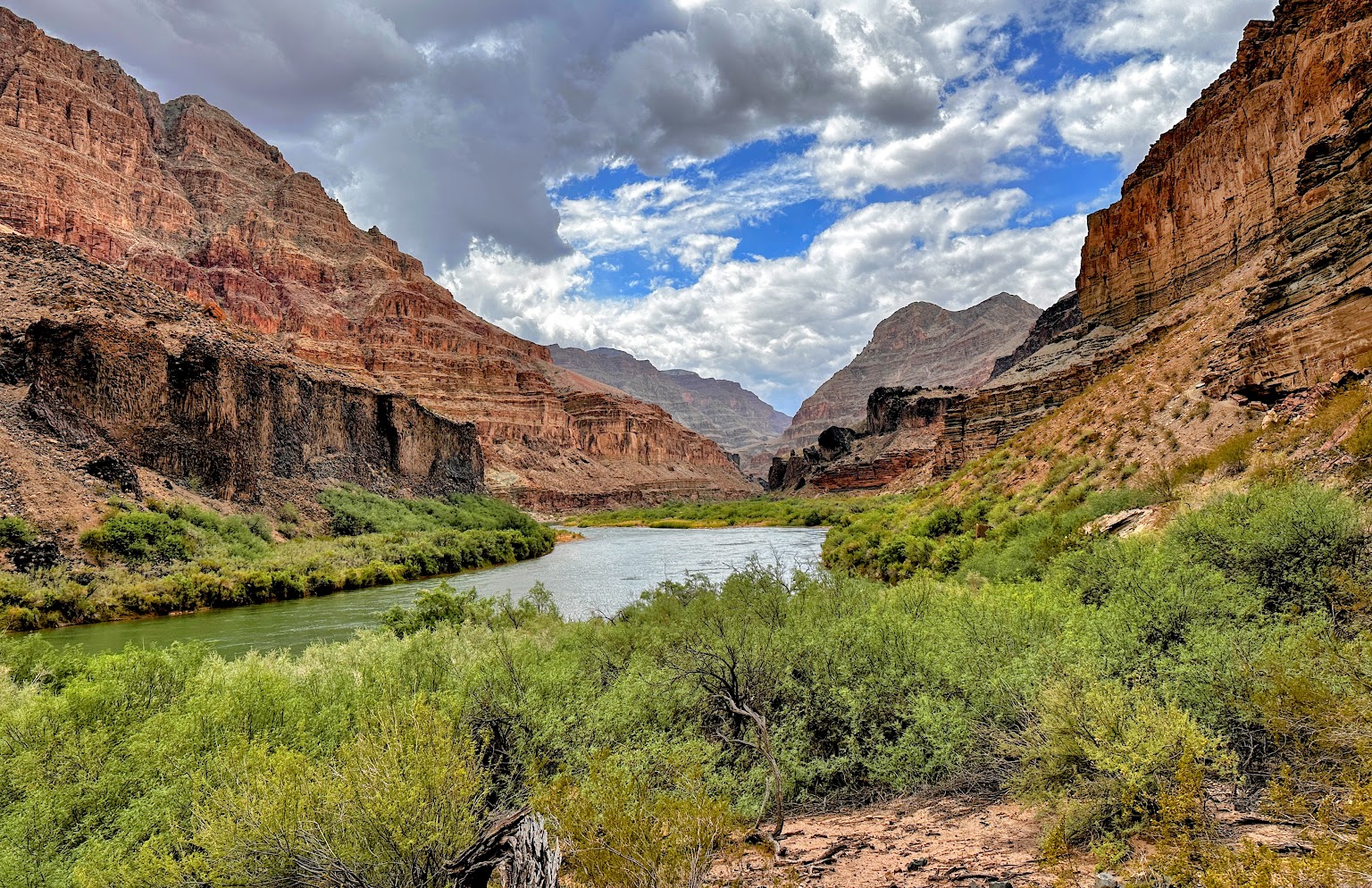
From Rim to River: Grand Canyon’s Vertical Habitats
Nate Loper - July 21, 2026 From rim to river, the canyon is a living reminder that God is not only powerful enough to create. He is faithful enough to provide. Stand at the South Rim of the Grand Canyon on a cool morning and the landscape below can look almost lifeless. The cliffs are dry, the slopes are steep, and the river is barely visible as a narrow thread winding through rock nearly a mile below. From that distance, the canyon seems like a monument made almost entirely of
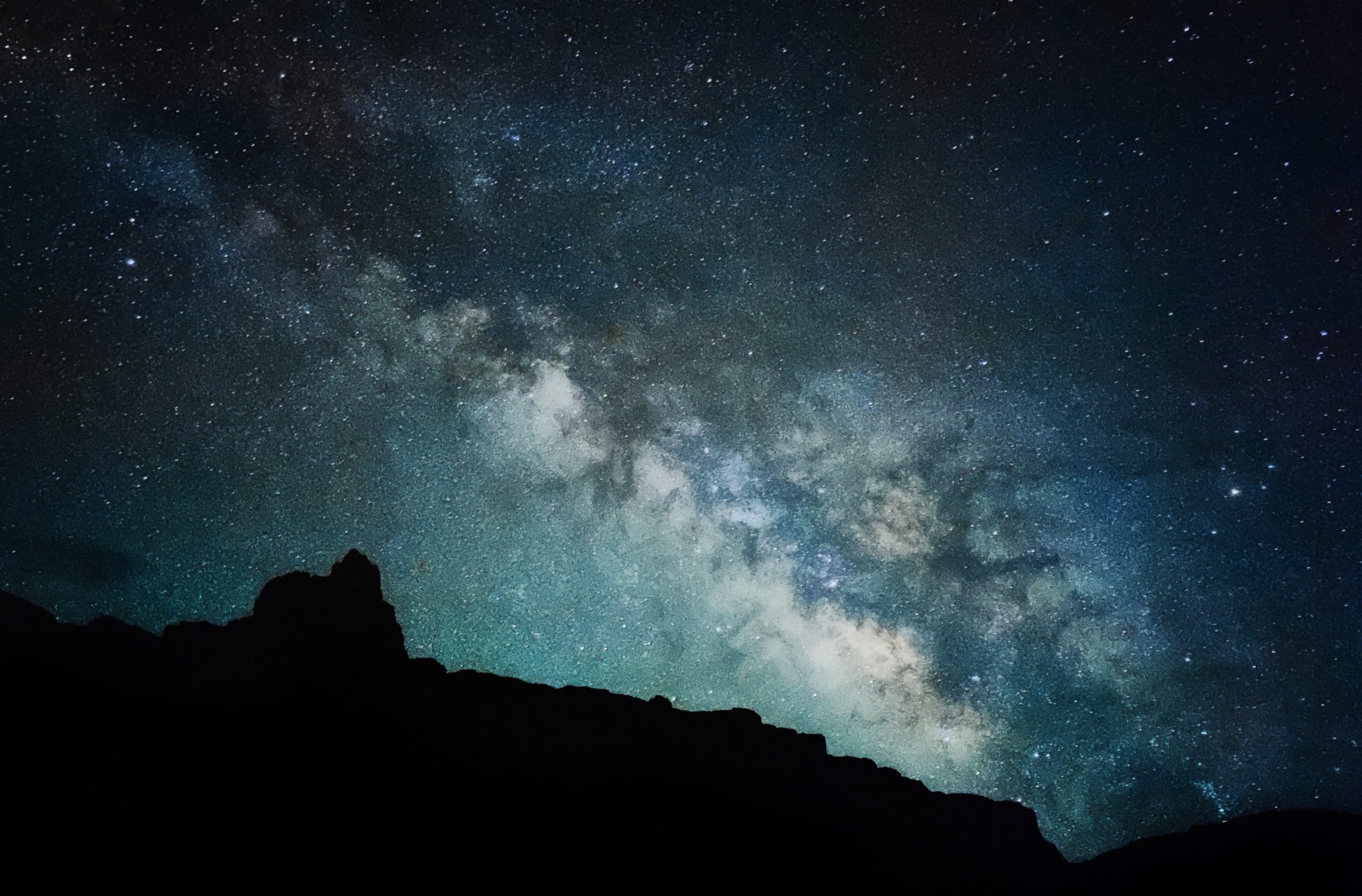
The Pale Blue Dot God Chose to Visit
Nate Loper - July 2, 2026 The stars declare the glory of God, but the cross declares His love. There is something wonderfully humbling about sleeping at the bottom of the Grand Canyon. On our recent Stargazer Special river trip, days were filled with the kind of beauty that almost overwhelms the senses. Towering canyon walls rose above us in layers of color and stone. The Colorado River carried us through narrow corridors, around sweeping bends, past cliffs, side canyons, fossils, and folds. But then night would come. As the last light faded

Florida’s Geology Through the Lens of Noah’s Flood
Nate Loper - June 5, 2026 Florida is not a simple one-event landscape. It is more like a layered story. Being in Florida right now sharing about Canyon Ministries at the Southern Baptist Annual Meeting has me thinking about geology in a different way than I usually do. Out West, geology is obvious. You stand on the rim of the Grand Canyon and the rocks are right there in front of you, stacked in massive layers like a giant open book. In the West, you see cliffs, canyons, faults, folds, desert
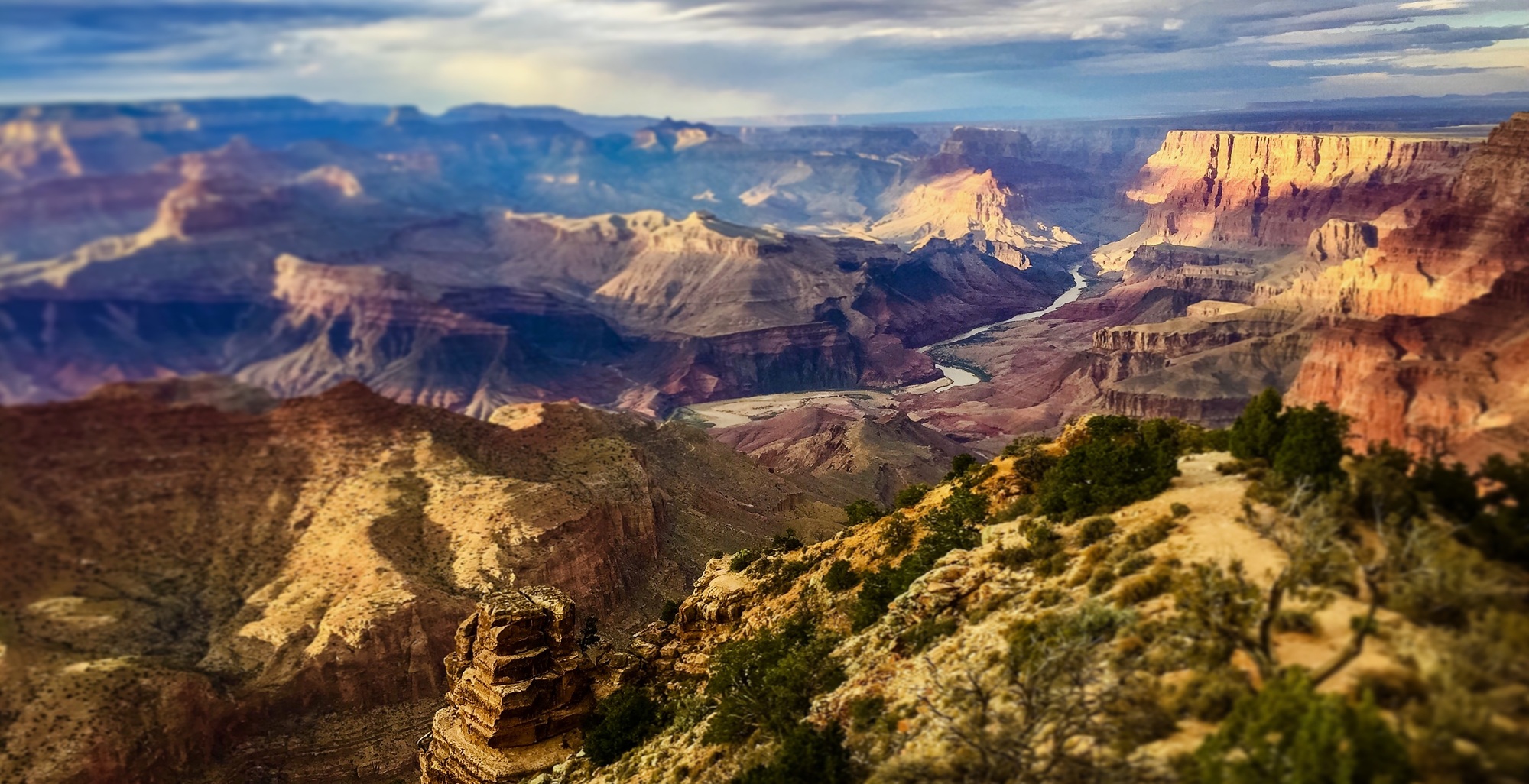
How Was the Grand Canyon Formed? A Catastrophic Lake Spillover Model
Nate Loper - April 29, 2026 If you read most park signs, you'll find the formation of the Grand Canyon is often treated as a simple question of slow erosion and time. A river cut downward over 5.5 to 6 million years and produced the canyon we see today. At first glance that might seem reasonable. But the more closely the landscape is examined, the more that simple explanation begins to fall short. And interestingly, that explanation is losing favor among many geologists today. You see, the canyon is not
Why Defend Genesis? The Gospel-Centered Purpose for Creation Apologetics
Luke Wayne - March 07, 2025 We focus on the opening chapters of the Bible because they lay a vital foundation for that gospel message, one that is particularly neglected in today’s world. Creation, the Fall, and the Gospel The central point, not only of our faith, but of all of human history is found in the life, death, and resurrection of the Son of God. So, why do we as a ministry put so much emphasis on the first eleven chapters of Genesis rather than focusing our tours on,
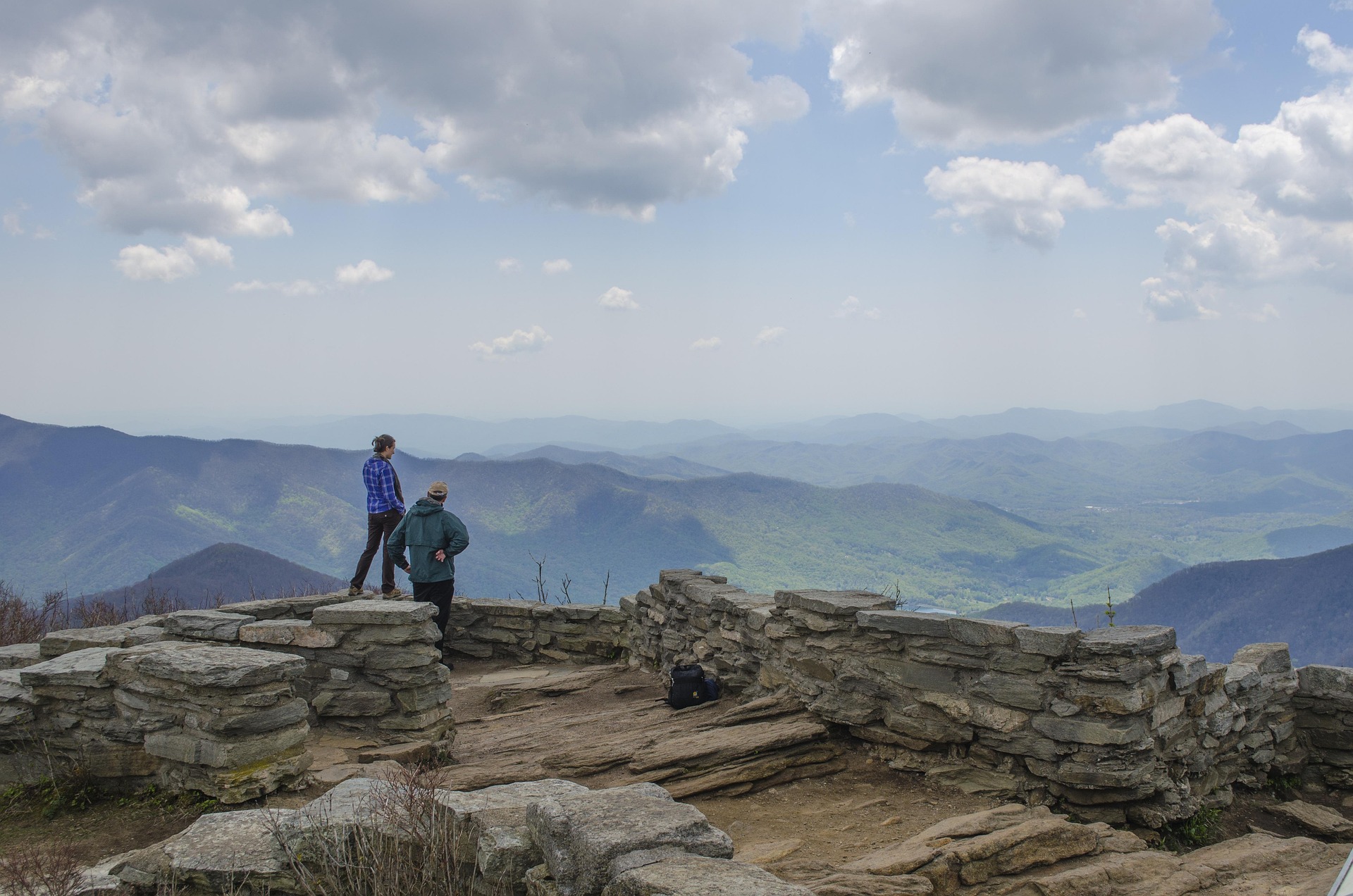
The Appalachians and the Global Flood
Nate Loper - February 10, 2026 To understand the Appalachians properly, we have to step back far enough to see not just a mountain range, but a world that was once unified, later broken apart, and reshaped by catastrophic events. A World That Was Once Whole There are landscapes that feel settled, as though their story is complete the moment you arrive. The Appalachian Mountains are not like that. They stretch on quietly, ridge after ridge, forested and familiar, until the repetition itself begins to ask questions. Why do these
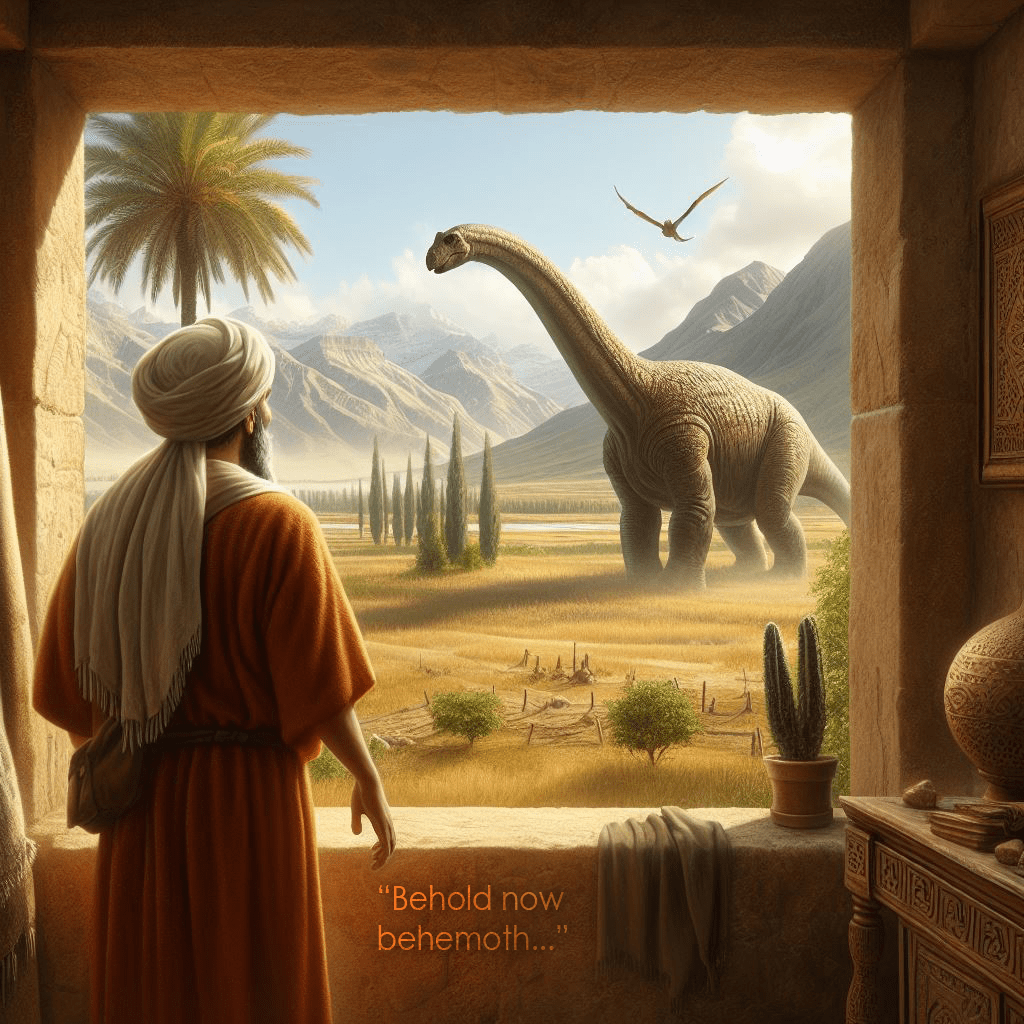
Is Behemoth a Dinosaur in the Bible?
Nate Loper - December 4, 2025 The identity of the mysterious “Behemoth” in Job 40:15–24 has long intrigued scholars and students of Scripture. Many commentaries suggest Behemoth was a hippopotamus or elephant, while others dismiss it as a mythological creature. However, taking the text at face value – and from a young-earth creation (YEC) perspective that humans coexisted with all land animals – there is strong reason to conclude that Behemoth was a real creature best fitting the description of a sauropod dinosaur. In this article, we will
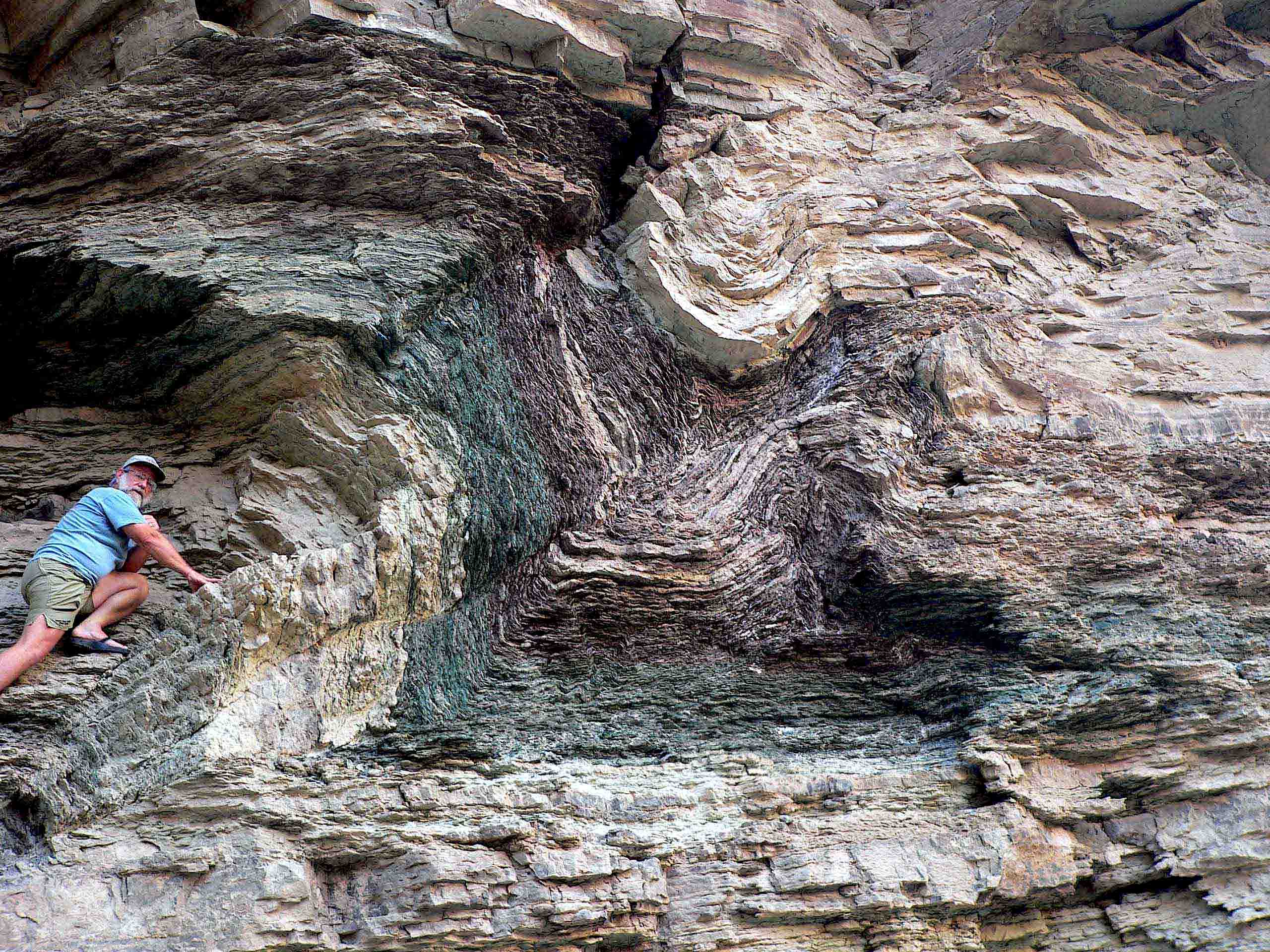
Grand Canyon Fossil Discovery: A Snapshot of Life Before the Flood
A recent article from Phys.org announced the discovery of exquisitely preserved Cambrian fossils in the Grand Canyon’s Bright Angel Formation. These fossils include soft-bodied creatures like worms, crustaceans, and mollusk-like animals, preserved with stunning detail. Secular scientists are interpreting this find as evidence of a thriving ecosystem that existed some 500 million years ago, providing a window into what they call the "Cambrian Explosion"—a period of rapid evolutionary diversification in the distant past. As Christians who hold to the authority of Scripture and a young earth, global Flood model,