



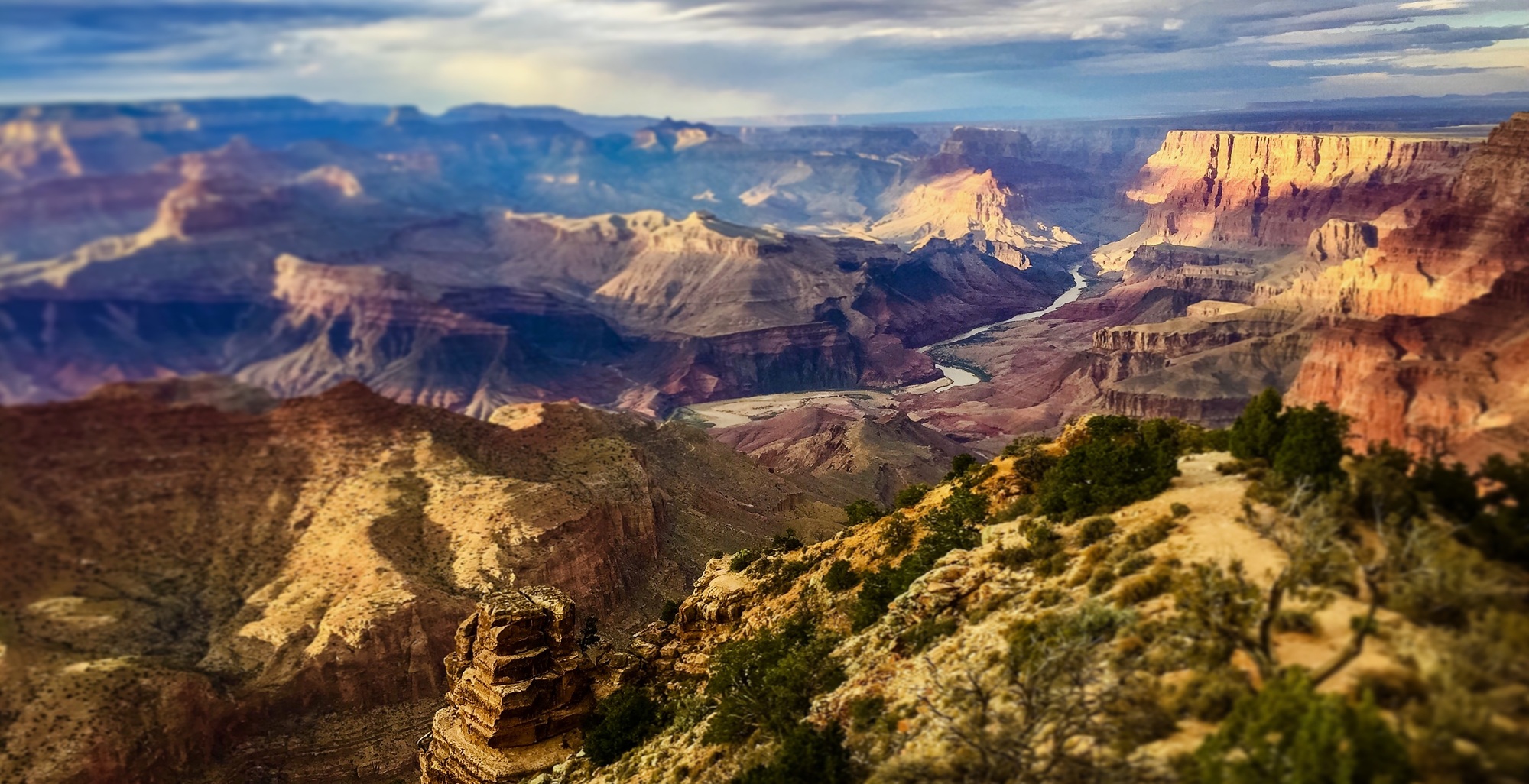
How Was the Grand Canyon Formed? A Catastrophic Lake Spillover Model
Nate Loper - April 29, 2026 If you read most park signs, you'll find the formation of the Grand Canyon is often treated as a simple question of slow erosion and time. A river cut downward over 5.5 to 6 million years and produced the canyon we see today. At first glance that might seem reasonable. But the more closely the landscape is examined, the more that simple explanation begins to fall short. And interestingly, that explanation is losing favor among many geologists today. You see, the canyon is not

Grand Canyon – The River Didn’t Do It
There is not a canyon because there is a river. There is a river because there is a canyon. 3 reasons why the Colorado River could not have carved Grand Canyon 1.) The problem of elevation and gravity The headwaters of the Colorado River are at La Poudre Pass Lake in Rocky Mountain National Park. The elevation of this lake is 9,000 feet above sea level. Grand Canyon tears open the Kaibab Plateau creating a 10-mile wide chasm running from the East to the West crossing (not following) numerous faults. The